
From Wikidata, pre-structured
86.2%Imported by identifier, not by name, so it carries Wikidata's strengths and its gaps.
1,063,614 entities.7,173,830 facts.One queryable graph.
The graph draws on Wikidata, Wikipedia and other open sources, with music data from open music databases, and it is built to take in your own documents. Most of it comes from Wikidata, mapped onto a small, stable set of types with identifiers that don't change. We add facts read out of Wikipedia text by a language model; each one goes through automatic type and date checks, and samples are checked by hand against the passage they came from. Every fact records its source, and we publish how each source has been checked.
A reviewed sample of the graph is available to evaluators on request, under a license agreement.
Facts come in levels of detail. Polonium, created by, Marie Curie is broad; born in Warsaw is specific. A subject layer, like music, adds its own. Her story →
From WikidataRead from text, checked by hand
Facts come in levels of detail. Polonium, created by, Marie Curie is broad; born in Warsaw is specific. A subject layer, like music, adds its own.
BaseKG’s Wikidata facts name Irène’s parents and the marriage. That Marie worked at the Sorbonne was read from Wikipedia text.
Many things are called Babylon. Each is its own entity, told apart by what it connects to.
Who died at the Alamo? Two lines lead straight to it. Travis is one step further out, through the battle.
Entities carry dates, so the same three people can be laid out in time.

A space station in low Earth orbit, run by five space agencies: NASA, Roscosmos, ESA, JAXA and CSA.
8 chapters
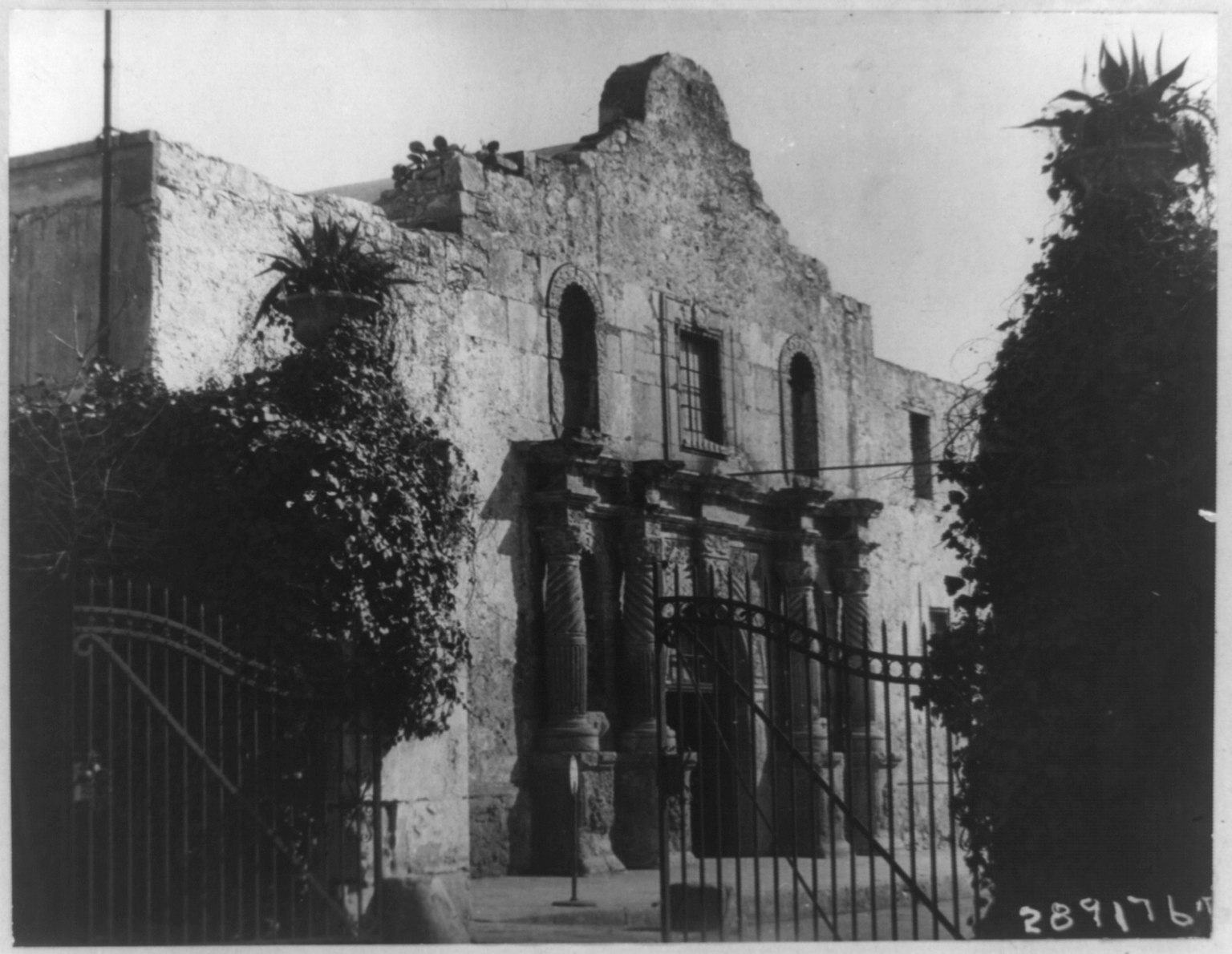
A mission church in San Antonio, and thirteen days in 1836 that Texas has retold ever since.
11 chapters
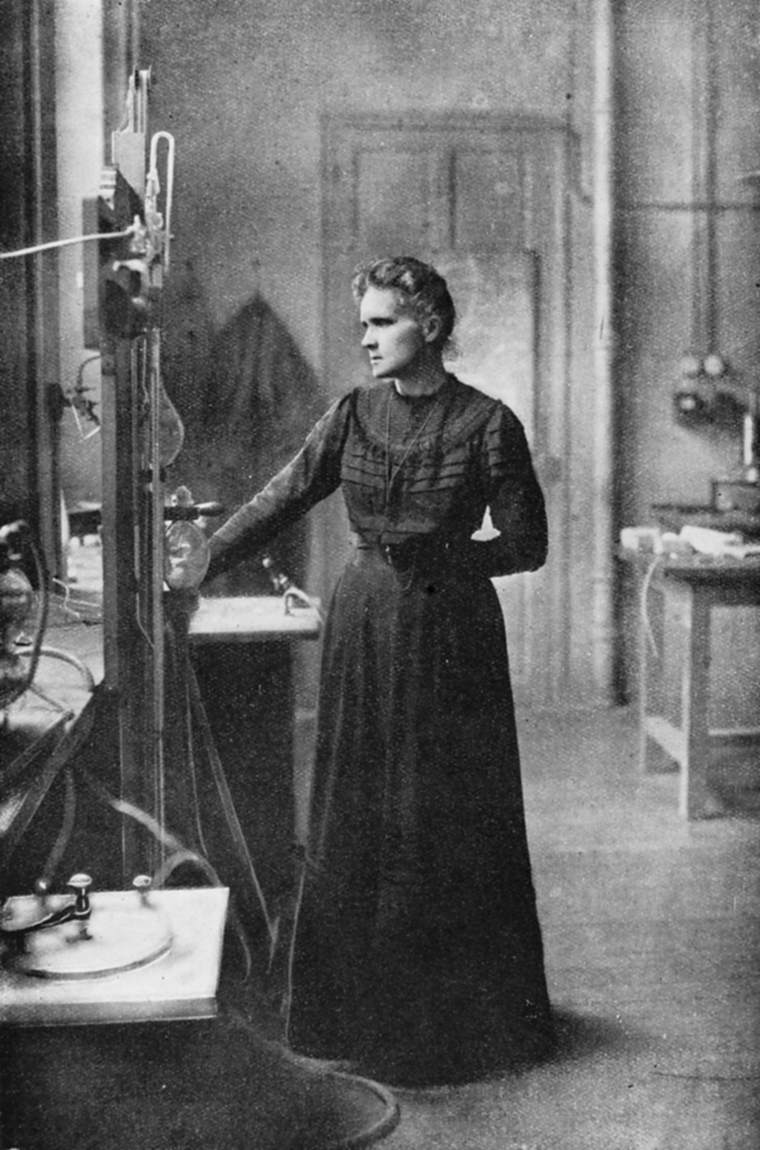
A physicist and chemist from Warsaw who discovered two elements and won the Nobel Prize twice.
12 chapters
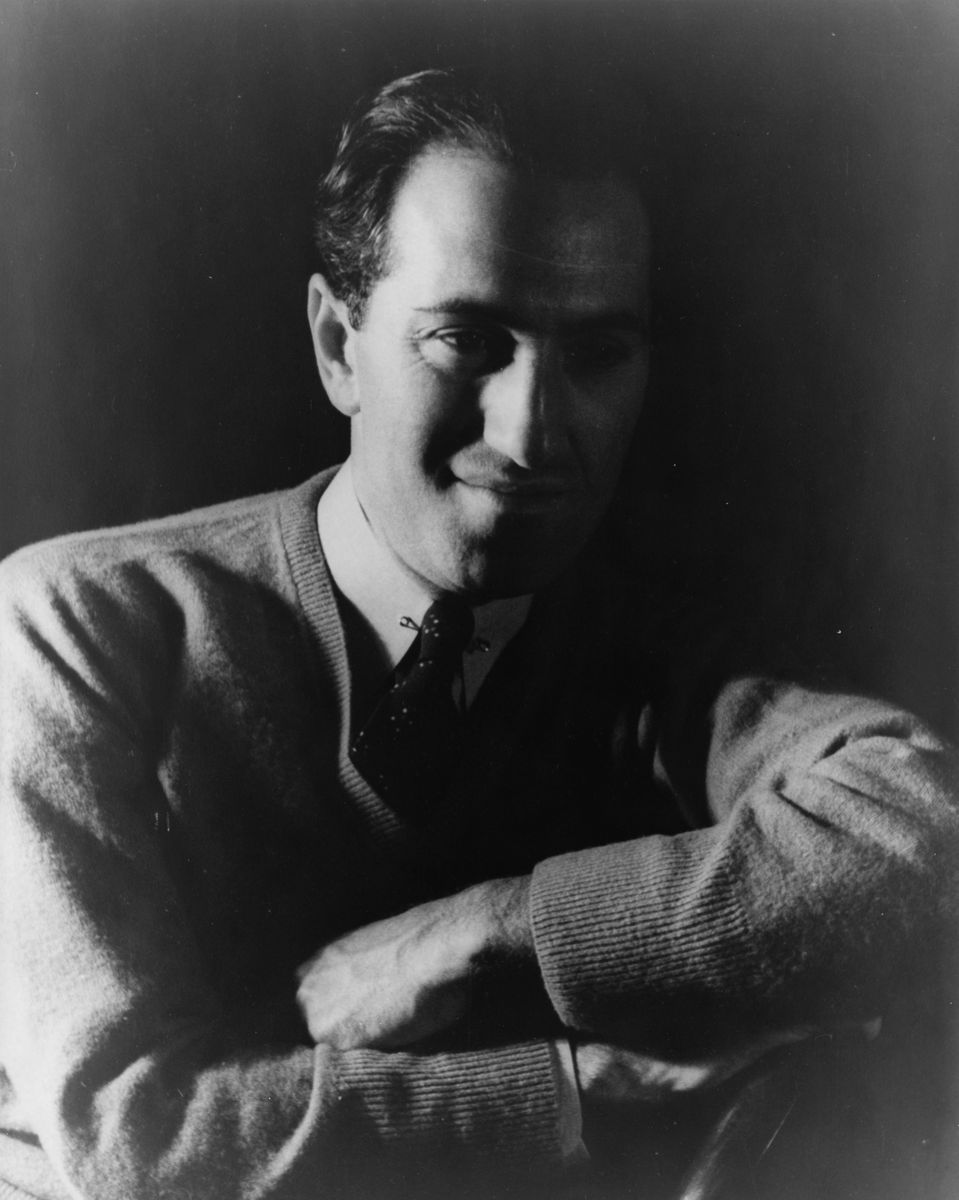
A composer and pianist from Brooklyn who wrote for Broadway, the concert hall and the opera house.
10 chapters
Imported by identifier, not by name, so it carries Wikidata's strengths and its gaps.
Relations a language model reads out of Wikipedia or other text. It finds more, and it can be wrong in ways an import can't.
Each kind is checked in its own way, and the two results are never blended into one number.
It is a source you can query directly, rather than asking a generative model and hoping. Same query, same release, same answer.
The graph is a single SQLite file. It runs on a laptop or a Raspberry Pi, and can be served to a model through a local MCP server. A subject layer, like music, is a file of its own.
Explore a sample →Wikidata, Wikipedia, other sources and your own documents, each fact labeled with where it came from. More sources are on the way.
Every fact has a level of detail. At the first, relations are few and broad: part of, is a, created by. The second makes them specific: born in, educated at, named after. A layer for one subject goes further: music's says performed by, composed by, produced by. So polonium, created by, Marie Curie is a first-level fact, because the graph has no finer relation for a discovery.
Music is the first subject layer, joined to the graph by entity id. Your own documents can make a layer the same way.
The music layer →If a decision rests on the data, breadth is not enough. One subject can be checked on its own: a sample of it checked by hand, with its own error table. You get a number for the part you use, not an average over a graph you don't.
How good is the data? →