

The Alamo
A mission church in San Antonio, and thirteen days in 1836 that Texas has retold ever since.
date in BaseKGdate sourced by us, not yet in BaseKG
Scroll, or use the timeline. Pictures open what the graph holds about them.
A mission before a fort
Spanish Franciscans founded Mission San Antonio de Valero in 1718.
By 1836 it was a walled compound that soldiers called the Alamo.
Mexican Texas
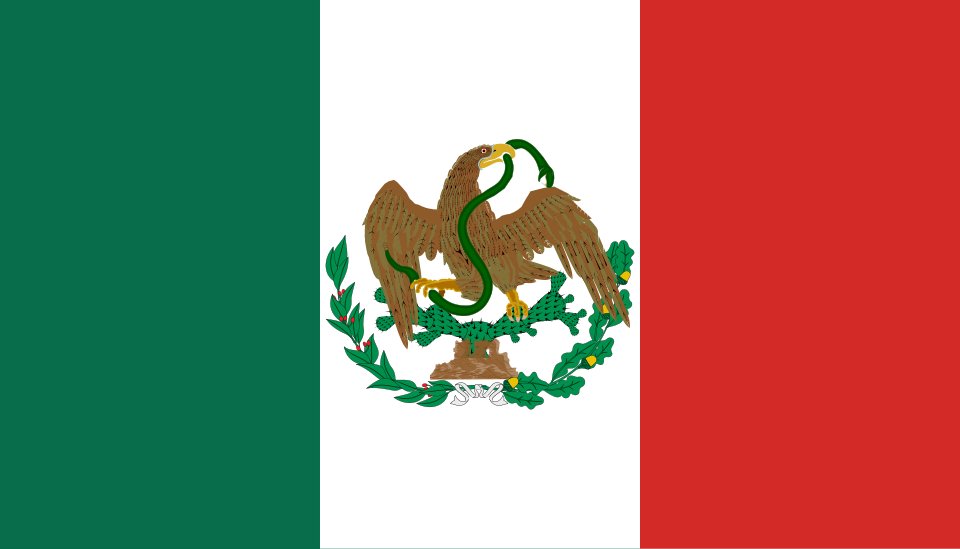
When Mexico won independence from Spain in 1821, Texas became part of it, and American settlers were invited in.
Many brought enslaved people. Mexico abolished slavery in 1829, and the Texas settlers pressed for exemptions.
A revolt against the center
In 1835 the government of Antonio López de Santa Anna overturned Mexico’s federal constitution and centralized power.
Texians, and some Tejanos, rose against him.
Thirteen days
Santa Anna’s army besieged the Alamo from February 23 to March 6, 1836.
One of his officers, José Juan Sánchez-Navarro, drew this plan of the fort.
Victory or death
On February 24 the commander, William B. Travis, wrote that he would never surrender or retreat.
Nearly all of the defenders died on March 6, among them Travis, James Bowie and Davy Crockett.
The graph links Travis to the battle, and Bowie and Crockett to the mission.
The legend
Robert Onderdonk painted Crockett’s last stand around 1903, sixty-seven years later.
How Crockett died is still disputed. The painting is the legend, not the record.
Remember the Alamo
Texas declared independence on March 2, while the siege went on, and won it at San Jacinto on April 21.
The Republic of Texas lasted almost ten years.
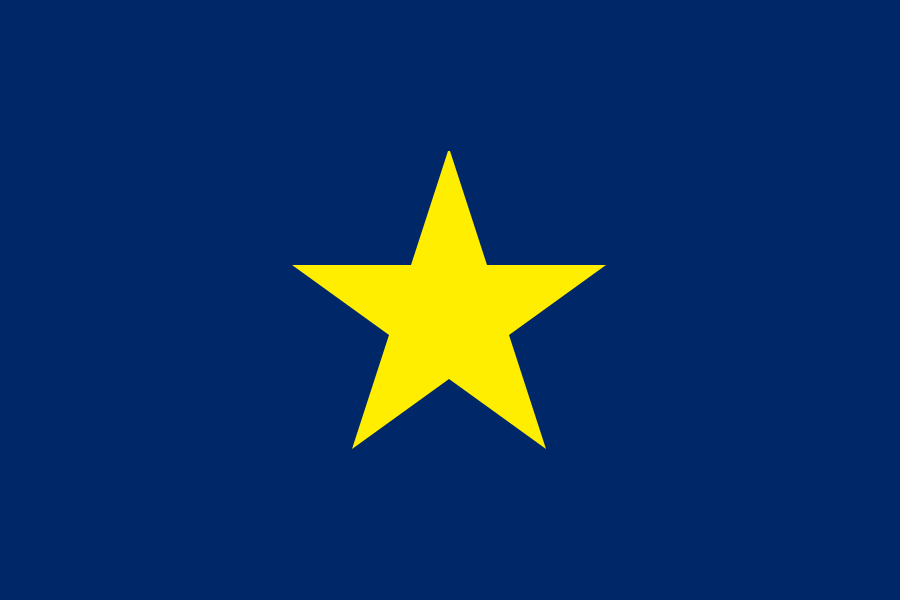
The twenty-eighth star
The United States annexed Texas in 1845.
The quarrel over its border became war with Mexico the next year.
A shrine
Texas bought the church in 1883. In 2015 the San Antonio Missions, the Alamo among them, became a World Heritage Site.
What the graph holds
Everything above rests on these two small neighborhoods of BaseKG: the battle and the mission, one hop each.
The sample this story sits in holds 899 of BaseKG's 1,063,614 entities, and 1,507 of its 6,905,330 facts.
The grid is the whole graph, one dot for every 899 entities. The lit dot is the size of this sample.
Lines are the facts in the sample. A date in a solid outline is BaseKG's; a dashed one is ours, from the sources below, because the graph does not carry it.
Events and dates: Texas State Historical Association, Handbook of Texas; UNESCO World Heritage List (2015).
Images via Wikimedia Commons, public domain unless marked: